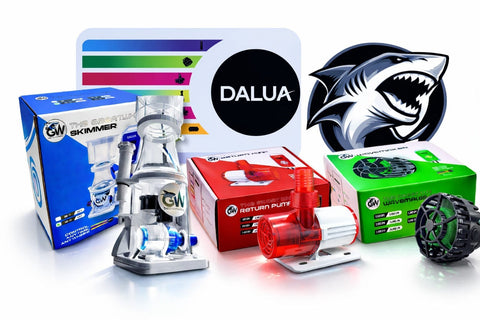

Best Wave Makers for Coral Tanks & WRGB Aquarium Light: The Complete Reef Setup Guide for U.S. Hobbyists
Choosing the Best wave makers for coral tanks and the right WRGB aquarium light is the foundation of a thriving reef system. Many reef keepers in the United States struggle with poor coral extension, slow growth, fading coloration, or nuisance algae often without realizing that water flow and lighting are the root causes.
Corals require two essential elements to thrive: dynamic, oxygen-rich water movement and a stable, spectrum-optimized light source. When these two systems work together, your reef tank becomes more stable, vibrant, and resilient. This guide breaks down exactly what to look for, how to avoid common mistakes, and how to design a high-performance reef environment that delivers long-term success.
Why Flow and Lighting Are the Core of Every Reef Tank
In natural reefs, corals live in high-energy environments. Waves and currents constantly:
- Deliver oxygen
- Remove waste
- Bring nutrients
- Prevent detritus buildup
At the same time, sunlight provides the energy needed for photosynthesis through zooxanthellae algae living inside coral tissue.
In a home aquarium, wave makers replicate ocean currents, while a WRGB aquarium light recreates the spectrum of tropical sunlight. If either system is insufficient, coral health declines quickly.
Best Wave Makers for Coral Tanks: What Actually Matters
When selecting the Best wave makers for coral tanks, many hobbyists focus only on flow rate (GPH). However, quality of flow is more important than raw power.
1. Randomized and Turbulent Flow
Corals thrive in chaotic, ever-changing water movement. Look for wave makers that offer:
- Reef crest mode
- Pulse mode
- Alternating gyre patterns
- Random flow programming
Constant laminar flow (straight-line blasting) can damage coral tissue and create dead zones elsewhere.
2. Proper Turnover Rate
General reef flow guidelines:
- Soft coral tanks: 10–20x tank volume per hour
- LPS-dominant tanks: 20–30x
- SPS systems: 30–50x
For example, a 100-gallon SPS tank may require 3,000–5,000 GPH of total distributed flow.
3. Wide Flow Distribution
Modern reef pumps use wide propeller designs to spread water evenly. Narrow jets:
- Create tissue recession
- Cause uneven growth
- Increase stress in LPS corals
Wide dispersion ensures balanced circulation across rockwork and coral colonies.
4. Quiet and Energy-Efficient Operation
For reef keepers in living rooms, offices, or commercial spaces across the United States, noise matters. DC-powered wave makers provide:
- Lower power consumption
- Minimal vibration
- Better speed control
- Longer lifespan
Common Flow Mistakes That Harm Coral Growth
Even high-quality equipment can fail if poorly configured.
Avoid:
- Aiming pumps directly at coral colonies
- Running maximum power continuously
- Creating stagnant areas behind rockwork
- Using identical flow patterns all day
The goal is dynamic movement, not brute force.
WRGB Aquarium Light: The Modern Standard for Reef Lighting
A WRGB aquarium light includes White, Red, Green, and Blue LEDs. This design offers far more spectral control than basic blue-white systems.
Why WRGB Lighting Is Superior
A balanced WRGB system allows reef keepers to:
- Fine-tune coral coloration
- Optimize photosynthesis
- Adjust intensity per coral type
- Reduce algae-promoting wavelengths
The blue spectrum (420–460nm) drives coral fluorescence and photosynthesis, while white fills out natural appearance. Controlled red and green channels enhance color without overpowering the system.
Understanding PAR and Spectrum
PAR (Photosynthetically Active Radiation) measures usable light for coral growth.
Recommended PAR ranges:
- Soft corals: 50–150
- LPS corals: 75–200
- SPS corals: 200–400+
However, PAR numbers alone are not enough. Spectrum balance matters equally.
A properly engineered WRGB aquarium light should provide:
- Strong blue dominance
- Adjustable white intensity
- Controlled red output
- Even spread to prevent shadowing
Matching Flow and Lighting to Coral Type
Soft Coral Systems
- Moderate lighting
- Gentle, indirect flow
- Stable nutrients
Examples: Zoanthids, mushrooms, leather corals.
LPS-Dominant Tanks
- Moderate PAR
- Moderate, randomized flow
- Avoid direct blasting
Examples: Hammer corals, frogspawn, acans.
SPS Reef Tanks
- High PAR (250–400+)
- Strong chaotic flow
- Stable alkalinity and nutrients
SPS corals demand both the Best wave makers for coral tanks and a high-performance WRGB lighting system to prevent dead spots and shading.
Example Setup: 75-Gallon Mixed Reef
For a standard 75-gallon reef tank in the United States:
Flow Setup
- Two controllable wave makers
- 2,000–3,000 GPH combined
- Alternating pulse mode
Lighting Setup
- WRGB aquarium light with programmable channels
- 200–300 PAR mid-level
- 8–10 hour photoperiod with ramping
This combination supports balanced coral growth while minimizing stress.
Long-Term Benefits of Proper Equipment
Investing in quality circulation and lighting provides:
- Faster coral growth
- Improved coloration
- Reduced algae outbreaks
- Better oxygen exchange
- Greater system stability
Cutting corners often results in livestock losses and costly replacements.
Maintenance Best Practices
To maintain performance:
- Clean wave maker impellers monthly
- Remove calcium buildup
- Wipe LED lenses regularly
- Measure PAR annually
- Check mounting stability
Consistent maintenance ensures reliable output and longevity.
Signs Your Tank Needs Better Flow or Lighting
Watch for:
- Poor polyp extension
- Brown or faded corals
- Uneven growth
- Tissue recession
- Excess detritus buildup
- Shaded coral bases
Upgrading to the Best wave makers for coral tanks and a high-quality WRGB aquarium light often resolves these issues quickly.
Conclusion: Building a High-Performance Reef System That Lasts
Selecting the Best wave makers for coral tanks and investing in a professional-grade WRGB aquarium light is the key to long-term reef success. Proper water movement keeps nutrients circulating and waste suspended, while advanced lighting fuels coral growth and enhances vibrant coloration.
For reef hobbyists and professionals across the United States seeking expert service support and performance-driven reef solutions, dalua provides reliable guidance and advanced system recommendations tailored for thriving marine environments.
When flow and lighting are balanced correctly, your reef tank doesn’t just survive—it becomes a stable, flourishing ecosystem built to last for years.