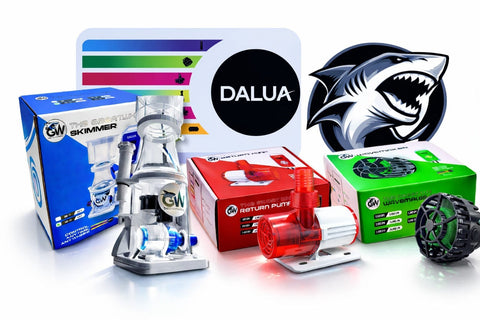

Best Return Pump for Reef Aquariums & WRGB Aquarium Light: The Ultimate Setup Guide for U.S. Reef Systems
Choosing the Best return pump for reef aquariums and pairing it with the right WRGB aquarium light is one of the most critical decisions for long-term reef stability. Many reef hobbyists across the United States focus heavily on coral selection and aqua scaping but overlook the two systems that truly power a thriving reef: water circulation from the return pump and spectrum-controlled lighting.
If your reef tank struggles with temperature swings, inconsistent filtration, weak coral growth, or dull coloration, your return pump and lighting setup may be the underlying issue. In this comprehensive guide, we break down what actually matters, how to choose correctly, and how to create a balanced reef ecosystem built for performance and longevity.
Why the Return Pump Is the Heart of a Reef Aquarium
The return pump moves water from the sump back into the display tank. It powers:
- Mechanical filtration
- Protein skimmers
- Reactors (carbon, GFO, biopellets)
- UV sterilizers
- Heaters and temperature stability
Without reliable circulation between sump and display, your reef system cannot maintain stability.
Best Return Pump for Reef Aquariums: What to Look For
When selecting the Best return pump for reef aquariums, the goal is not maximum power it’s consistent, controllable, and efficient flow.
1. Proper Flow Rate (Turnover)
General guidelines:
· 3–5x display tank volume per hour through the sump
For example:
- 75-gallon tank → 225–375 GPH after head loss
- 120-gallon tank → 360–600 GPH after head loss
Too much flow through the sump reduces filtration efficiency. Too little leads to poor nutrient export.
2. Head Height & Pressure Handling
Head height refers to the vertical distance water must travel. Always check:
- Maximum head rating
- Flow curve performance
- Plumbing resistance
If your sump is in the cabinet below, expect 4–6 feet of head pressure.
3. DC vs AC Pumps
Modern DC return pumps are preferred for reef systems in the United States because they offer:
- Adjustable speed control
- Energy efficiency
- Quiet operation
- Soft start technology
- Feed mode options
AC pumps are durable but lack fine-tuned control.
4. Reliability & Safety Features
The best return pump should include:
- Overheat protection
- Dry-run protection
- Durable ceramic shafts
- Saltwater-resistant materials
A failing return pump can destabilize the entire system within hours.
Common Return Pump Mistakes
Even experienced reef keepers make these errors:
- Oversizing the pump unnecessarily
- Ignoring head loss calculations
- Running maximum power continuously
- Neglecting regular cleaning
Calcium buildup reduces efficiency and increases wear. Clean the pump every 1–2 months to maintain optimal performance.
WRGB Aquarium Light: The Key to Coral Growth & Color
While the return pump maintains system stability, a WRGB aquarium light drives coral growth and coloration.
WRGB stands for:
- White
- Red
- Green
- Blue
This full-spectrum configuration allows for precise spectrum control beyond traditional blue-white LED systems.
Why WRGB Lighting Matters for Reef Tanks
Corals rely on photosynthesis via zooxanthellae algae. A properly engineered WRGB system provides:
- Strong blue spectrum (420–460nm) for fluorescence
- Balanced white for natural appearance
- Controlled red and green for enhanced pigmentation
- Even light distribution across the tank
Spectrum balance is critical. Excess white or red can promote algae growth, while insufficient blue limits photosynthesis.
Understanding PAR in Reef Lighting
PAR (Photosynthetically Active Radiation) measures usable light for corals.
Recommended ranges:
- Soft corals: 50–150 PAR
- LPS corals: 75–200 PAR
- SPS corals: 200–400+ PAR
However, high PAR without spectrum balance can still result in poor coloration or bleaching. Quality matters more than raw intensity.
Coordinating Flow and Lighting for Optimal Results
A reef tank performs best when return flow and lighting are balanced.
Example: 90-Gallon Mixed Reef (United States)
Return Pump:
- Target 400–500 GPH after head loss
- DC adjustable speed
- Quiet operation
Lighting:
- WRGB aquarium light with programmable channels
- 200–300 PAR mid-level
- 8–10 hour peak photoperiod
Together, these systems support stable filtration, nutrient export, and vibrant coral growth.
Energy Efficiency & Long-Term Cost Savings
Electricity costs vary widely across the U.S., making efficiency important.
Modern DC return pumps and LED WRGB lighting systems:
- Consume less power
- Produce less heat
- Reduce cooling costs
- Offer longer operational lifespan
Investing in high-quality equipment reduces livestock losses and costly replacements.
Signs You Need to Upgrade Your Return Pump or Lighting
Watch for:
- Inconsistent water levels
- Weak filtration performance
- Microbubbles in display
- Brown or pale corals
- Slow growth
- Uneven coloration
- Excess nuisance algae
Often, upgrading to the Best return pump for reef aquariums and a refined WRGB lighting system resolves these issues quickly.
Maintenance Tips for Peak Performance
To maximize lifespan and output:
- Clean return pump impeller monthly
- Inspect plumbing for salt creep
- Wipe LED lenses regularly
- Measure PAR annually
- Replace worn tubing and seals
Preventative maintenance protects your investment and your livestock.
Conclusion: Build a Stable, High-Performance Reef System
Selecting the Best return pump for reef aquariums and investing in a professional-grade WRGB aquarium light creates the foundation for reef success. The return pump ensures filtration stability and nutrient management, while advanced lighting drives coral growth and vibrant coloration.
For reef hobbyists and service clients across the United States, dalua provides expert-level guidance and performance-focused reef system solutions designed for reliability and long-term success.
When water movement and lighting are engineered correctly, your reef tank transforms into a stable, thriving ecosystem that rewards you with healthy, colorful corals for years to come.