
Aquarium Maintenance: A Complete Guide to Keeping Your Tank Healthy and Beautiful
Aquarium Maintenance: A Complete Guide to Keeping Your Tank Healthy and Beautiful
Proper aquarium maintenance is the key to a clean, healthy, and visually appealing fish tank. Whether you own a freshwater or saltwater aquarium, consistent care ensures your fish remain stress-free, your water stays clear, and your equipment functions efficiently. Many aquarium issues—such as algae blooms, cloudy water, and fish disease—can be prevented with a well-planned maintenance routine.
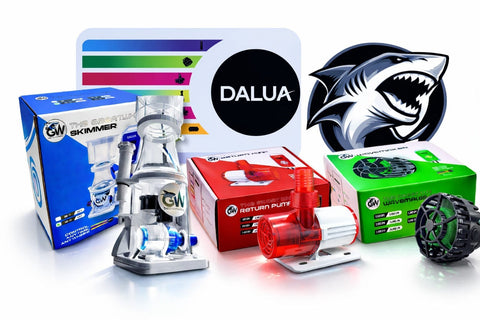
At Dalua International LLC, we understand that aquarium success depends on both quality equipment and proper care practices. This guide will walk you through essential aquarium maintenance tasks, helpful tips, and best practices to keep your aquatic environment thriving.
Why Aquarium Maintenance Is Important
Aquariums are closed ecosystems. Waste from fish, uneaten food, and decaying plant matter can quickly build up if not managed properly. Without regular maintenance, water quality declines, which can lead to poor fish health and system failure.
Effective aquarium maintenance helps you:
- Maintain stable water parameters
- Prevent harmful bacteria and algae growth
- Extend the life of your aquarium equipment
- Create a stress-free environment for fish
A well-maintained aquarium is not only healthier but also easier to manage over time.
Essential Aquarium Maintenance Tasks
1. Regular Water Changes
Water changes are one of the most important parts of aquarium maintenance. Over time, toxins such as ammonia, nitrites, and nitrates accumulate in the water.
General guidelines:
- Freshwater aquariums: Change 10–20% weekly
- Saltwater aquariums: Change 10–15% every 1–2 weeks
Always use dechlorinated or purified water and match the temperature to avoid stressing fish. Dalua International LLC recommends consistent water changes as the foundation of long-term aquarium health.
2. Cleaning the Aquarium Glass
Algae buildup on aquarium glass is common, especially in tanks with strong lighting. Regular cleaning improves visibility and reduces algae spread.
Use:
- Algae scrapers or magnetic cleaners
- Soft sponges (aquarium-safe only)
Avoid household cleaners, as they can be toxic to fish.
3. Filter Maintenance
Filters play a crucial role in removing debris and maintaining biological balance. However, clogged or dirty filters reduce water flow and filtration efficiency.
Best practices:
- Rinse filter media in tank water, not tap water
- Clean mechanical filters every 2–4 weeks
- Replace filter media only when necessary
Proper filter care is a critical component of aquarium maintenance and helps preserve beneficial bacteria.
4. Substrate Cleaning
Fish waste and leftover food often settle at the bottom of the tank. Using a gravel vacuum during water changes helps remove debris without disturbing beneficial bacteria.
Substrate cleaning:
- Improves water quality
- Prevents foul odors
- Reduces algae growth
This simple task greatly enhances overall aquarium cleanliness.
5. Water Testing and Monitoring
Regular water testing helps detect problems before they become serious. Key parameters to monitor include:
- pH
- Ammonia
- Nitrite
- Nitrate
- Salinity (for saltwater tanks)
Testing weekly or bi-weekly is recommended, especially for newly established aquariums. Dalua International LLC emphasizes proactive monitoring to maintain stable aquatic environments.
Aquarium Maintenance for Fish Health
Feeding Control
Overfeeding is a common mistake that leads to excess waste and poor water quality. Feed fish small portions they can consume within 1–2 minutes.
Tips:
- Feed once or twice daily
- Remove uneaten food promptly
- Adjust feeding based on fish species
Proper feeding habits are essential for effective aquarium maintenance.
Observing Fish Behavior
Healthy fish are active, colorful, and responsive. Changes in behavior may indicate water quality issues or illness.
Watch for:
- Lethargy
- Loss of appetite
- Unusual swimming patterns
- Visible spots or discoloration
Early detection allows for quick corrective action.
Aquarium Equipment Maintenance
Aquarium equipment requires routine inspection to ensure reliable operation.
Key equipment to check:
- Filters and pumps
- Heaters and thermometers
- Lighting systems
Clean and inspect equipment monthly to prevent breakdowns. Well-maintained equipment supports consistent aquarium maintenance and reduces long-term costs.
Aquarium Maintenance Schedule
Creating a schedule makes aquarium care manageable and consistent.
Daily Tasks
- Feed fish
- Observe fish behavior
- Check temperature and equipment
Weekly Tasks
- Partial water change
- Clean glass
- Test water parameters
Monthly Tasks
- Clean filter components
- Inspect equipment
- Adjust lighting and flow
Dalua International LLC encourages structured maintenance routines for both beginner and advanced aquarists.
Common Aquarium Maintenance Mistakes to Avoid
- Skipping water changes
- Overcleaning beneficial bacteria
- Overcrowding the tank
- Using untreated tap water
- Ignoring water test results
Avoiding these mistakes helps maintain long-term stability and reduces stress on aquatic life.
Professional Aquarium Maintenance Solutions
For larger systems or busy schedules, professional aquarium maintenance services can be an excellent option. These services ensure:
- Consistent water quality
- Expert equipment care
- Reduced risk of system failure
Dalua International LLC supports aquarium owners with reliable products and expert solutions designed to simplify aquarium maintenance and improve overall performance.
Final Thoughts
Successful aquarium maintenance is about consistency, observation, and using the right tools. With regular water changes, proper feeding, equipment care, and monitoring, your aquarium can remain a healthy and beautiful environment for years.
By following proven maintenance practices and relying on trusted solutions from Dalua International LLC, aquarists can enjoy a stress-free and rewarding aquarium experience—whether at home, in an office, or in a commercial setting.